How to choose and place a handbag light
Choose a handbag light you can find and operate with the bag filled as you normally carry it. Put it near the opening or a useful pocket so the light reaches the contents you want to see.
By LIRRA · Updated
Catalogue desk research; selection is based on documented features and the stated household task. No hands-on testing.
Try it with the bag packed
Put your purse, keys and other usual items in place. Find the proposed light position by touch, then open the bag as you would when using it. Leave the control free of lining and loose objects.
Choose a control you can find
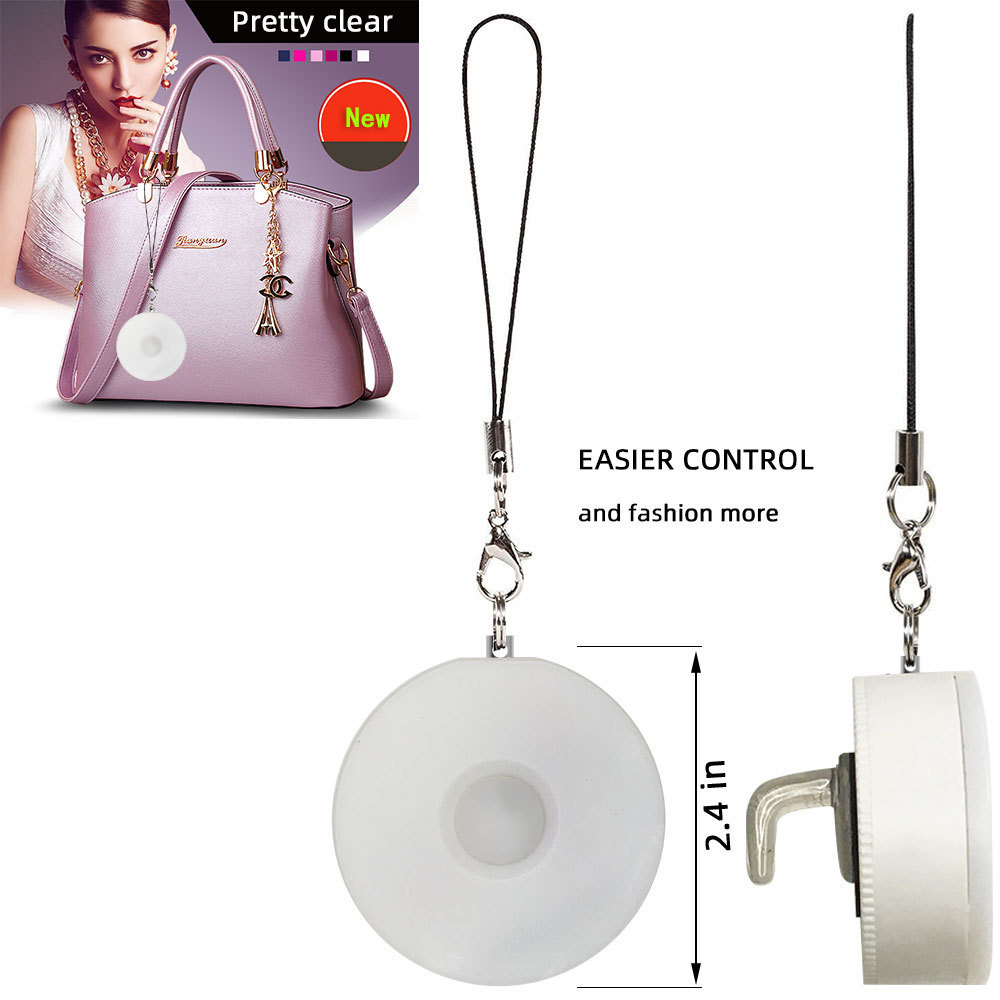
The linked heart-shaped bag light uses a touch sensor. Put it where your hand naturally reaches when opening the bag, following its storage and use instructions. A familiar pocket makes it easier to return the light to the same place.
Compare lights for other nearby jobs
Our night-light range includes 151 designs, including 11 with sensor controls and 30 with remote control. For the handbag itself, start with the linked pocket-sized touch design; choose a room light for the nearby shelf or entrance instead.
Keep the routine simple
Leave room to remove the light for normal maintenance. Check its battery and storage instructions on the product page before ordering. Return it to the same pocket after each use.
Questions and answers
Which control does the linked bag light use?
It has a touch sensor.
What shape is it?
The linked light has a heart-shaped design.
Where should I put it?
Near the opening or a useful pocket, where you can find the control by touch.
Should I test it in an empty bag?
Try the position with your normal contents in place.
How can I make it easy to find?
Return the light to the same accessible pocket after use.
Evidence and method
Based on a saved catalogue snapshot of 943 small-light models. Product details are taken from recorded specifications and checked for implausible values. Counts describe source records, not current stock.