Do solar lights work in a UK winter?
Solar lights can provide winter decoration when their panel position and charging conditions suit the light. For dependable lighting at steps or entrances, plan a primary light with a reliable power supply and add decorative solar lights around it.
By LIRRA · Updated
Desk research using the frozen catalogue and the attributed source extracts; no hands-on testing.
Choose the winter job first
Decide whether you want a decorative point among pots or practical lighting for a route you use after dark. For a display, choose the place you want to see from the house or garden seat. For steps and entrances, keep a dependable primary lighting plan and add the decorative objects around that arrangement.
Plan the panel position during winter daylight as well as the lamp position at night. Compare shadows from the house, fence and nearby trees. Leave access to clean the panel and move the light using its intended method. The useful position needs to suit both daytime charging and the evening view you want.
Use the regional daylight comparison below to understand the short winter window. Visit the proposed panel position at different times of day and note when surrounding objects shade it. Keep that location note beside the selected light's charging and operating instructions so the display is chosen around your actual garden.
Compare December daylight across the UK
The table compares daylight on 2026-12-21 at representative city-centre positions. The times are calculated sunrise-to-sunset durations for a clear horizon. The noon-height column describes the sun above the horizon. Use the nearest row as regional context when looking at the panel's position in your own garden.
London and Cardiff round to 7 h 50 min of daylight; Aberdeen rounds to 6 h 41 min. That is 69 minutes less than London. Compare these daylight windows with the hours when your panel is clear of local shade from buildings, trees and fences.
A courtyard, border and open lawn can give different panel exposure within the same town. Make the comparison at the height and position where the panel will actually sit. Include nearby planting in its normal state and consider how the position can be reached for maintenance when the garden is wet or crowded with pots.
| City | Latitude north | Calculated daylight | Solar-noon height |
|---|---|---|---|
| London | 51.5074° | 7 h 50 min | 15.1° |
| Birmingham | 52.4862° | 7 h 40 min | 14.1° |
| Manchester | 53.4808° | 7 h 28 min | 13.1° |
| Newcastle | 54.9783° | 7 h 10 min | 11.6° |
| Edinburgh | 55.9533° | 6 h 58 min | 10.6° |
Remaining 3 rows
| City | Latitude north | Calculated daylight | Solar-noon height |
|---|---|---|---|
| Aberdeen | 57.1497° | 6 h 41 min | 9.4° |
| Belfast | 54.5973° | 7 h 15 min | 12.0° |
| Cardiff | 51.4816° | 7 h 50 min | 15.1° |
Look for obstructions to the low winter sun
The calculated noon sun height is 15.1 degrees in London and 9.4 degrees in Aberdeen for the comparison date. Look towards that low part of the sky from the panel position. Include neighbouring roofs, walls and branches that stand between the panel and the daylight.
The regional table uses NOAA's solar-position method. For the buying decision, use the daylight duration and noon height to focus your garden inspection. Choose a mounting arrangement permitted by the light's maker, with its panel in an open position and the light visible where you want the display.
For a border ornament, moving the complete light may give the panel a more open position. For a doorway, the best decorative position may sit under an overhang. Consider a separate-panel arrangement only where the chosen product supports it, using its intended cable route and mounting instructions. Keep controls and connections reachable.
Keep sunlight and the operating routine together
Use the lamp's charging instructions with the conditions for its stated runtime. Keep the brightness setting and intended on-time beside that duration. For a short decorative display, choose a control routine that suits when you are home. For an entrance used at different times, keep the primary lighting available for those arrivals.
The JRC PVGIS guide distinguishes solar energy on horizontal and inclined surfaces and discusses diffuse light. For your layout, give attention to the panel's orientation and shade using the maker's permitted installation. Keep its surface clean using the intended care method and leave the panel exposed to the daytime sky.
Write down where the panel sits, where the light is seen and how it is switched or triggered. Include the route for any intended separate-panel lead. Keep those practical requirements together when comparing a wall light, border light or hanging jar, since each format places the panel and body differently.
Choose the decorative format for the garden
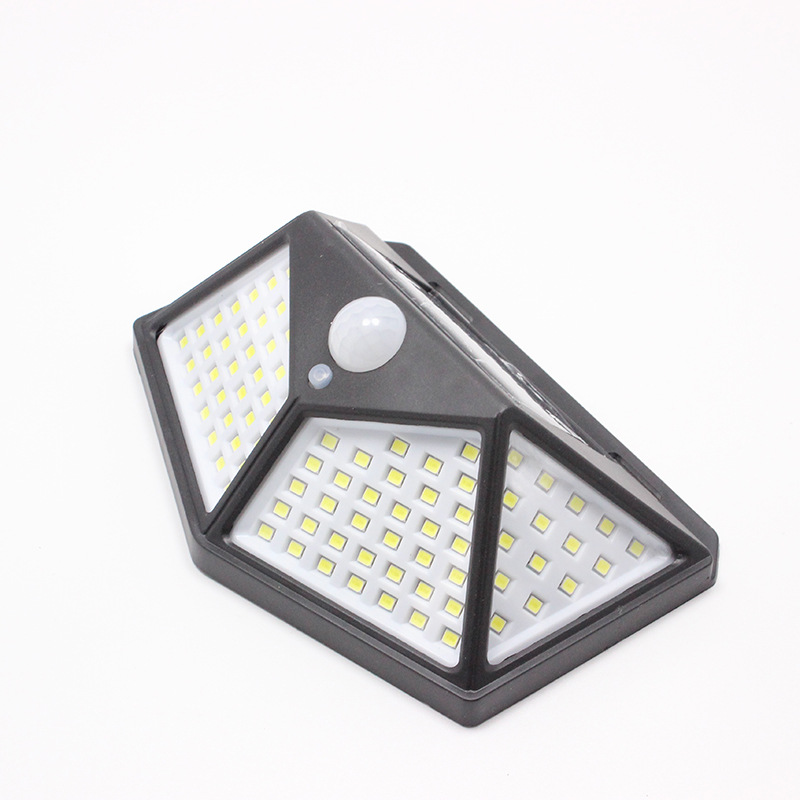
The linked solar examples provide different shapes to browse for a garden display. Choose the visible effect first: an illuminated ornament among plants, a hanging object beside a seat or an accent at a wall. Then compare the complete body size, support and panel arrangement with the position you can use.
For a hanging light, leave room around the whole body and follow the intended support method. For a border light, keep it clear of normal foot traffic and maintenance tools. For a wall light, consider access from the ground and the space around doors or other fittings. Include the panel's view in each arrangement.
Choose controls around your evening routine. A reachable switch suits a nearby table or border; a selected remote-control version can be useful further from the seat. Check the chosen model's charging conditions, operating setting and outdoor installation instructions on its product page before ordering.
Make maintenance practical in winter
Leave a route to the panel that remains usable when pots, furniture and plants are in place. Use the intended cleaning and maintenance method for the product. Keep fallen leaves and surrounding growth clear of the panel. Retain the instructions with the light's reference so seasonal care follows the correct arrangement.
Look again after changing the garden layout. A moved planter or new shelf can affect both the daytime panel exposure and the evening view. Recheck the position when nearby plants grow. Choose a light you can reach or move as instructed without disturbing the whole display every time maintenance is needed.
If the product has a removable or separately positioned panel, keep the intended connection accessible. Use the permitted mounting arrangement for that version. Plan where the cable runs and where the body rests, keeping the assembly clear of openings and ordinary movement through the garden. Keep any supplied parts with the matching light.
For a grouped display, keep a simple sketch of the panel positions as well as the evening arrangement. Note which objects can be moved and which supports are fixed. When changing the group, compare the sky view at each panel again. Keep enough clear space to reach each light individually, so cleaning and normal maintenance can follow its own instructions without moving the entire display.
Complete the winter lighting plan
For steps, a path or an entrance, begin with the dependable light you will use for movement. Add solar ornaments in places where they make the garden display more interesting. Keep the control for the main light accessible from the normal arrival route and consider both directions of travel when planning the whole arrangement.
Choose the weather exposure and support as well as the panel position. Use the linked IP comparison and outdoor-protection glossary for the enclosure terminology, then follow the product's location instructions. Include separate power or control components in the arrangement and leave room for normal care after the garden has been fully decorated.
Save a short note of the chosen position, charging conditions and normal evening setting. Keep the light's reference and instructions with it. Revisit the plan when moving the light for another season, checking both the daytime sky view and the place where you want to see it after dark.
Questions and answers
Where should a solar panel go in winter?
In a permitted position with a clear daytime sky view, with buildings and plants considered from the panel's actual height.
What does the daylight table show?
Calculated sunrise-to-sunset durations and noon sun heights for the fixed December comparison date.
Why compare the garden during the day?
To identify shade from buildings, fences and planting at the intended panel position.
What should I compare with a runtime figure?
The stated charging conditions, brightness setting and your intended evening on-time.
What maintenance access should I leave?
A practical route to clean the panel and handle the light using its intended method.
How should I plan light for steps?
Choose dependable primary lighting for movement, then add decorative solar lights around that arrangement.
Evidence and method
NOAA fractional-year declination and sunrise hour angle implemented in tools/article_stats.py for fixed date and declared latitudes; unobstructed horizon, standard sunrise correction, nearest-minute daylight and one-decimal geometric noon altitude; solar model counts from small-light classification.
- NOAA: solar-position equations and sunrise correction
- JRC PVGIS: irradiation and diffuse radiation