Sound-responsive lights or spoken voice commands?
Choose a sound-responsive light when you want a decorative reaction to sound, and a spoken-command light when you want particular verbal instructions to control it. Check the selected model's exact response and supported commands on its product page.
By LIRRA · Updated
Catalogue desk research; selection is based on documented features and the stated household task. No hands-on testing.
Choose the everyday interaction
Decide whether you want to speak an instruction, trigger a light or create a music-themed display. Put the light where the intended interaction is practical from your usual seat.
Compare the linked examples
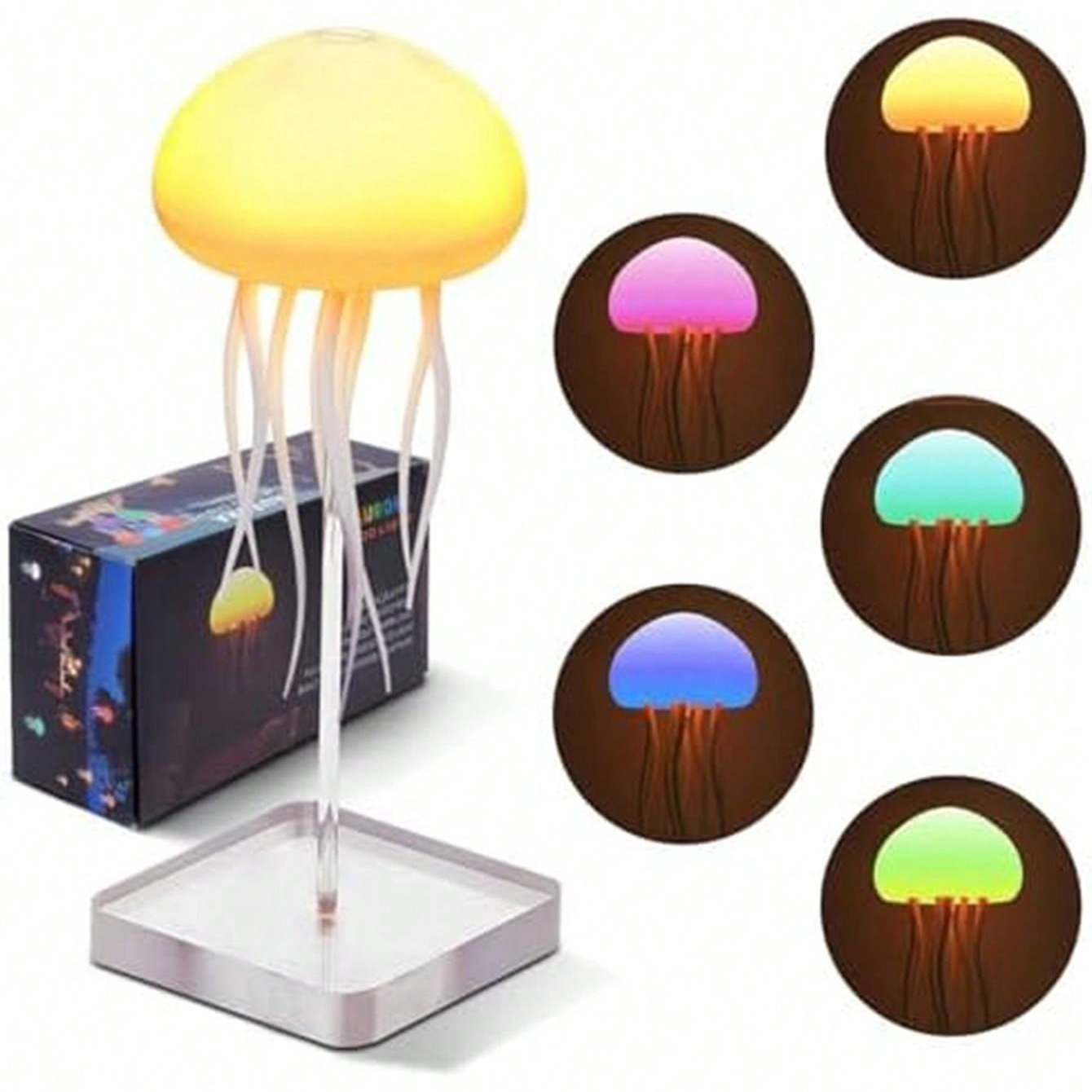
The floating-jellyfish night light has voice activation and changing colours, with a white-base option. The black star projector offers music, water-pattern effects, Bluetooth and sound-responsive features for a decorative music corner.
Consider a handheld control
Our night-light range includes 151 designs, including 30 with remote control. Our ambient-projector range has 13 remote-control designs. Choose a handheld control when you prefer direct adjustment from a seat.
Plan the room position
Keep controls and power connections reachable, and leave the light's intended sound-detection area clear. Try the normal room arrangement before finishing a display around it.
Questions and answers
Which linked light has voice activation?
The floating-jellyfish night light has voice activation.
Which linked projector responds to sound?
The black star projector offers sound-responsive features.
What other effects does the projector offer?
It offers music and water-pattern effects.
When is a remote useful?
When you want to adjust the light directly from your seat.
Where should I plan the interaction?
At the light's intended room position, from the seat or approach where you will normally use it.
Evidence and method
Based on a saved catalogue snapshot of 943 small-light models. Product details are taken from recorded specifications and checked for implausible values. Counts describe source records, not current stock.